NEWS
High mountain
The Ever-Changing Plastic "Magician": A Journey into the World of Polyvinyl Chloride (PVC)
Time: 2026-07-01
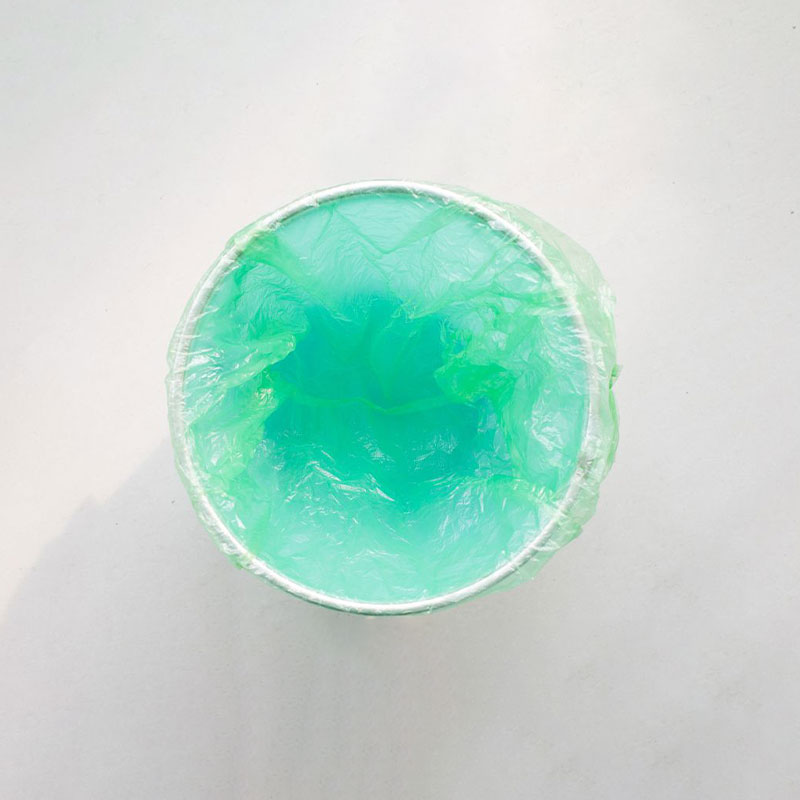
In our daily lives, synthetic materials are everywhere. From rigid water pipes and window frames to flexible raincoats, synthetic leather bags, and protective wire insulation—these seemingly distinct objects all share a common chemical origin: Polyvinyl Chloride (PVC) resin.
As one of the world's most widely produced commodity plastics, PVC resin operates much like a chemical "magician." It can transition from exceptionally rigid to highly flexible, and from opaque to translucent. Through the lens of chemical science, let us uncover the structure, properties, and applications of this versatile polymer.
PVC resin is a high-molecular-weight polymer synthesized from Vinyl Chloride Monomer (VCM) via addition polymerization initiated by free radicals. At a microscopic level, imagine individual VCM molecules as distinct train cars. Through a controlled chemical reaction, thousands of these cars link end-to-end to form a long macromolecular chain, which constitutes the PVC resin.
An interesting characteristic of PVC's molecular framework is its high elemental chlorine content, which accounts for roughly 57% of its total molecular weight. Because a major portion of its mass is derived from chlorine (obtained from industrial salt), the production of PVC relies significantly less on finite petroleum resources compared to alternative commodity plastics like polyethylene (PE) or polypropylene (PP).
In its pure, unmodified form, PVC resin is a yellowish, semi-translucent, and brittle solid. Industrially, it is highly valued for several unique performance characteristics:
Inherent Flame Retardancy: Due to the high concentration of chlorine atoms in its molecular chain, PVC features excellent natural flame resistance (with a Limiting Oxygen Index often exceeding 40). It self-extinguishes once removed from an open flame, making it an indispensable material for structural fire-safe construction and electrical cable jackets.
Superior Chemical and Corrosion Resistance: PVC is chemically inert and highly resilient against environmental degradation. It easily withstands exposure to concentrated hydrochloric acid, strong alkalis, and most mineral oils without suffering structural breakdown.
Thermal and Light Sensitivity: While chemically resilient, PVC is sensitive to elevated temperatures and UV light. Unstabilized PVC begins to degrade slowly at 100∘C, and rapidly above 130∘C, releasing hydrogen chloride (HCl) gas. This thermal decomposition causes the polymer to discolor (turning from white to yellow, brown, or black) and become brittle. Consequently, the addition of heat stabilizers is mandatory during industrial processing.
Among major commodity plastics, PVC is unique because it is highly dependent on additive modification to be practically useful. By adjusting the percentage of blended plasticizers, manufacturers can drastically alter its physical state:
Rigid PVC boasts high mechanical strength, structural rigidity, and excellent weathering resistance.
Typical Applications: Construction drainage and water mains, chemical-resistant industrial piping, valves, vinyl window profiles, credit cards, and non-food packaging bottles.
The introduction of plasticizers separates the tightly packed polymer chains, allowing them to slide past one another. This transforms the rigid matrix into a pliable, elastic material that can mimic the tactile feel of rubber or leather.
Typical Applications: Wire and cable insulation coatings, translucent agricultural greenhouse films, household hoses, footwear, automotive interior synthetic leather, disposable medical examination gloves, and soft consumer toys.
While PVC serves as a foundational building block for modern infrastructure, its widespread utility requires careful environmental and health management:
Application Boundaries: Because traditional plasticizers and heavy-metal stabilizers carry a slight risk of migration or leaching under specific conditions, the use of PVC is strictly regulated or restricted in sensitive areas such as potable water lines, direct food-contact packaging, and infant care products. In these spaces, manufacturers are mandated to utilize non-toxic, bio-based green additives.
End-of-Life Management: Direct incineration of unsorted PVC waste releases acidic hydrogen chloride gas and complex hazardous byproducts such as dioxins. Modern waste strategies emphasize strict source-sorting, mechanical recycling, industrial downcycling, and specialized, high-temperature emissions-controlled waste-to-energy processing.
Polyvinyl Chloride (PVC) resin represents a triumph of industrial chemistry. Combining low production costs with native flame retardancy, chemical inertness, and incredible mechanical adaptability, it supports vital segments of the global construction, electrical, and light manufacturing industries. Through the continuous development of eco-friendly additive systems and robust circular recycling networks, this resilient material will continue to deliver sustainable engineering solutions for global development

Mobile version


HOME | ABOUT US | PRODUCTS | NEWS | HONORS | FACTORY | CONTACT | 中文版
Copyright(C)2025, Wuxi High Mountain Hi-tech Development Co., Ltd. All Rights Reserved. Supported by Sunsirs ChemNet Toocle Copyright Notice 备案序号:苏ICP备2025195488号