NEWS
High mountain
Understanding Sodium Chloroacetate (SMCA): Properties, Applications, and Safety Guidelines
Time: 2026-08-05
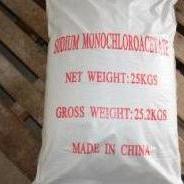
In fine chemicals and organic synthesis, Sodium Chloroacetate (SMCA, CAS No. 3926-62-3) serves as a foundational and vital organic intermediate. Valued for its distinct reactivity, SMCA is widely utilized across personal care additives, agrochemicals, pharmaceuticals, and specialty chemical manufacturing.
Sodium Chloroacetate (Molecular Weight: 116.48) is a water-soluble, white crystalline powder.
Appearance: White crystalline powder.
Solubility: Highly soluble in water (exhibiting excellent water solubility at 20°C), slightly soluble in methanol, and insoluble in organic solvents such as ether, benzene, acetone, and carbon tetrachloride.
pH & Hygroscopicity: A 50 g/L aqueous solution yields a pH range between 4.5 and 9.0. The substance is hygroscopic and stable under ambient conditions, but must be protected from moisture and kept away from strong oxidizing agents.
As an essential carboxylic acid derivative, sodium chloroacetate connects upstream basic chemical manufacturing with downstream high-value specialty products:
Upstream Feedstock: Primarily synthesized through the neutralization reaction between monochloroacetic acid (MCA) and sodium carbonate or sodium hydroxide, followed by crystallization and purification.
Downstream Applications:
Personal Care & Daily Chemicals: A core raw material for synthesizing mild amphoteric surfactants—such as Lauramidopropyl Betaine (LAB/LAPB)—widely formulated in shampoos, body washes, and personal care products.
Organic Synthesis & Carboxylation: Utilized as a chemical reagent in esterification, carboxymethylation, and the construction of organic intermediates.
Agrochemicals & Pharmaceuticals: Serving as an intermediate in producing herbicides, pesticide actives, and pharmaceutical compounds.
Sodium Chloroacetate is classified as a Class 6.1 toxic substance (UN 2659, Packing Group III). It presents skin and eye irritation risks and is toxic to aquatic organisms. Proper compliance with safety protocols during handling, transportation, and storage is mandatory:
Personal Protective Equipment (PPE): Operators should wear protective gloves, safety glasses, and dust masks to prevent inhalation or direct contact with skin and eyes.
Environmental & Workplace Safety: Ensure adequate ventilation in processing areas. Prevent raw material residue or industrial wastewater from entering public water systems.
Storage Conditions: Keep tightly sealed in a cool, dry, and well-ventilated warehouse, away from direct heat, open flames, and strong oxidizing materials.

Mobile version


HOME | ABOUT US | PRODUCTS | NEWS | HONORS | FACTORY | CONTACT | 中文版
Copyright(C)2025, Wuxi High Mountain Hi-tech Development Co., Ltd. All Rights Reserved. Supported by Sunsirs ChemNet Toocle Copyright Notice 备案序号:苏ICP备2025195488号