NEWS
High mountain
Methanol Solution: Industrial Applications, Physical-Chemical Properties, and Safe Storage Guidelines
Time: 2026-08-06
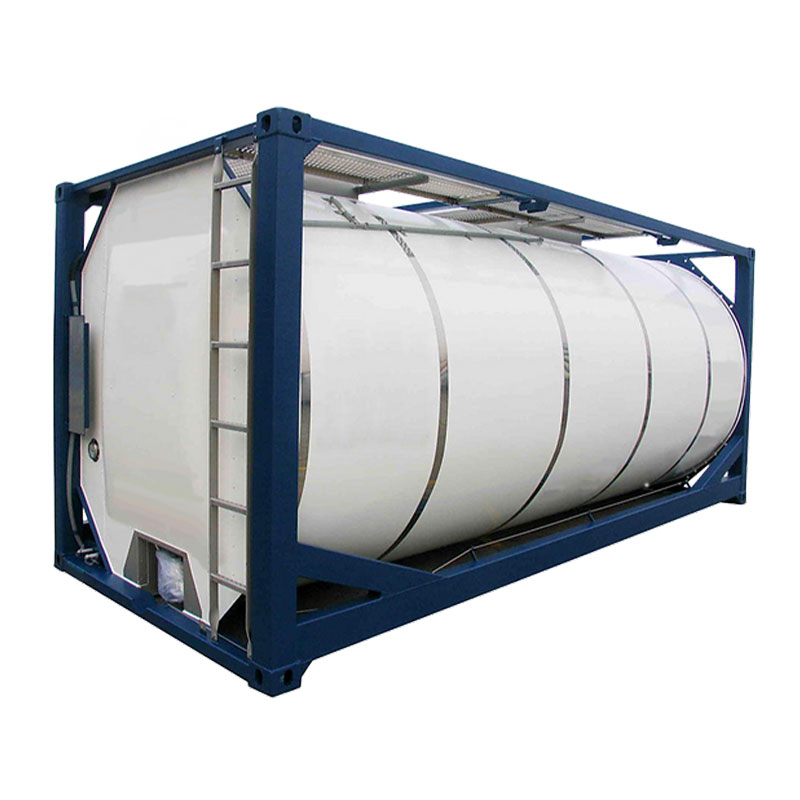
In fine chemical and petrochemical manufacturing, methanol solution is far more than a simple "alcohol-water mixture"—it serves as a precision industrial reaction reagent and solvent characterized by high polarity, high volatility, and exceptional organic dissolving power. From laboratory R&D to large-scale petrochemical units, methanol solutions play an irreplaceable role across synthesis, extraction, and cleaning processes. This article provides an in-depth analysis of methanol solution from three dimensions: physical-chemical properties, industrial application scenarios, and safe storage standards.
The unique molecular structure of methanol solutions endows them with highly sensitive and excellent physicochemical properties. In practical production, the following four parameters are critical for process control:
Boiling Point & Evaporation Characteristics: At 1 standard atmosphere, pure methanol boils at 64.7°C. Its relatively low boiling point makes it easily separable from high-boiling components during distillation and solvent recovery, while demanding precise heating and temperature control systems.
Density & Purity Correlation: The standard density of methanol at 20°C is approximately 0.7918 g/cm³. Density serves as a key indicator of product purity and concentration fluctuations; minor density deviations often signal moisture absorption or impurity introduction.
Broad Dissolution Spectrum: It exhibits excellent solvency for nitrocellulose, cellulose acetate, polyacrylates, and various epoxy prepolymers, while showing no solubility toward non-polar polymers like polyethylene (PE) or polypropylene (PP).
High Hygroscopicity: Methanol is highly hygroscopic. When exposed to ambient air (e.g., at 60% relative humidity), its moisture absorption rate can reach approximately 0.8% wt per 24 hours. Consequently, trace amounts of moisture (e.g., 0.5% water content) can significantly alter solution density and affect precise dosing operations such as polymer modification.
Due to its distinct chemical activity, equipment selection should prioritize corrosion-resistant sealing materials such as fluorocarbon rubber (FKM/Viton) for transfer pumps and valves, while storage containers are recommended to be made of 316L stainless steel or specialized internally lined composite vessels.
Resin & Coating Synthesis: In the synthesis of alkyd resins and specialty polymers, methanol solutions often serve as a critical reaction medium or process auxiliary, significantly accelerating transesterification and esterification processes, shortening reaction cycles, and maintaining system viscosity stability.
Petrochemical Extraction & Cleaning: High-purity methanol solutions act as ideal extractants in cracked gasoline purification and diene extraction. Additionally, they are widely used in optical film manufacturing to remove methyl methacrylate residues from mold surfaces.
In certain cleaning processes (such as PCB electronic circuit board cleaning), some users mistakenly treat methanol solutions as a direct replacement for isopropanol (IPA). However, methanol is significantly less effective than isopropanol at removing rosin-based fluxes and carries a higher toxicity profile. Therefore, in electronics cleaning and similar specific fields, isopropanol or specialized aqueous/alcohol-based composite cleaning agents should be selected strictly according to process requirements.
Methanol is classified as a flammable and toxic hazardous chemical; storage and management must strictly adhere to safety standards:
Temperature Control: Storage temperatures should be strictly maintained below 25°C. Elevated temperatures drastically increase vapor pressure, raising the risk of container bulging and elevated vapor concentrations in the workspace.
Ventilation Requirements: Warehouses or processing workshops must be equipped with forced exhaust systems (recommended air change rate of 12–15 exchanges per hour) to prevent methanol vapors from accumulating toward explosive limits or occupational exposure limits.
Packaging Containers: Metal drums (such as stainless steel or galvanized iron drums) or multi-layer composite industrial containers with high barrier properties and secure air-tight caps must be used. Standard single-layer PET or non-standard plastic containers are strictly prohibited.
Quality Re-inspection: The standard storage shelf life is recommended at 12 months. Materials stored beyond this period or opened and kept for extended durations should undergo re-testing for key indicators such as density, water content, and colorimetry prior to use.

Mobile version


HOME | ABOUT US | PRODUCTS | NEWS | HONORS | FACTORY | CONTACT | 中文版
Copyright(C)2025, Wuxi High Mountain Hi-tech Development Co., Ltd. All Rights Reserved. Supported by Sunsirs ChemNet Toocle Copyright Notice 备案序号:苏ICP备2025195488号