NEWS
High mountain
The "Universal Building Block" in Chemical Manufacturing: A Comprehensive Guide to Chloroacetic Acid (MCA)
Time: 2026-08-13
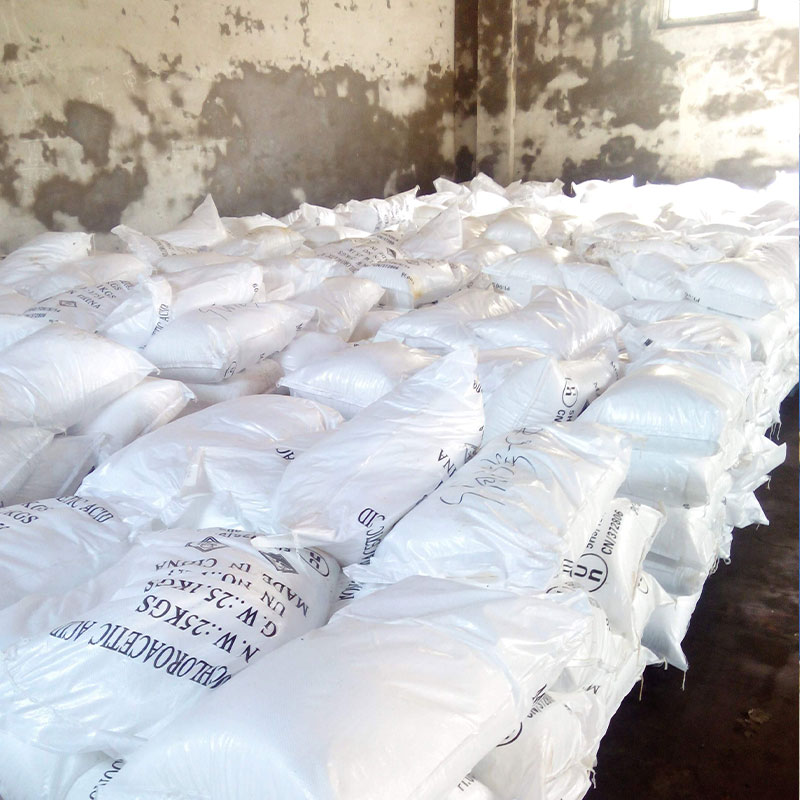
In everyday life, chloroacetic acid (MCA) is rarely a household name, yet it plays a crucial role in the industrial chemical supply chain. As a highly effective organic synthesis intermediate, MCA acts like a "LEGO brick" in molecular chemistry—connecting fine chemicals, pharmaceuticals, agrochemicals, and consumer goods.
Under ambient conditions, pure MCA is a colorless or white crystalline solid with a pungent, irritating odor. It readily dissolves in water, ethanol, ether, and various other organic solvents.
Chemically, MCA features two key characteristics:
Enhanced Acidity: The presence of the strongly electron-withdrawing chlorine atom on the alpha carbon facilitates the dissociation of the hydrogen ion from the carboxyl group. Consequently, MCA is significantly more acidic than standard acetic acid (vinegar).
High Chemical Reactivity: The chlorine atom within its structure easily undergoes nucleophilic substitution reactions. In industrial organic synthesis, chemists can readily displace the chlorine atom with other functional groups (such as amino, hydroxyl, or cyano groups), creating a broad family of downstream derivatives.
In commercial chemical manufacturing, MCA is primarily synthesized via two major routes:
Acetic Acid Catalytic Chlorination (Mainstream Route): Glacial acetic acid reacts directly with chlorine gas in the presence of catalysts. This represents the standard global production method.
Trichloroethylene Hydrolysis: Trichloroethylene undergoes acid-catalyzed hydrolysis to yield MCA, producing hydrochloric acid as a byproduct.
As a downstream derivative of the chlor-alkali and petrochemical chains, MCA production relies heavily on the stable supply of liquid chlorine and acetic acid. Fluctuations in raw material costs and upstream operating rates directly dictate MCA market availability and pricing.
MCA is termed a "universal intermediate" because of its widespread utility across various sectors:
Carboxymethyl Cellulose (CMC): One of the largest single applications for MCA. Reacting MCA with cellulose under alkaline conditions yields sodium carboxymethyl cellulose. CMC serves as a thickener, binder, and stabilizer in food processing, papermaking, textiles, detergents, and oilfield drilling muds.
Agrochemicals: MCA is an essential building block for crop protection agents, including herbicides (such as 2,4-D and metolachlor) and insecticides (such as dimethoate), supporting global agriculture.
Pharmaceuticals & Fine Chemicals: In medicine, MCA is used to synthesize vitamin B6, caffeine, synthetic antibiotics, and nonsteroidal anti-inflammatory drugs (NSAIDs) like diclofenac sodium. It is also used to produce betaine surfactants, which are key components in gentle personal care products and shampoos.
Dyes & Pigments: MCA contributes to the synthesis of indigo dyes and organic pigments used in textile printing and dyeing.
Despite its utility in chemical manufacturing, MCA is classified as a hazardous chemical that requires strict handling precautions:
Severe Corrosivity: Direct contact with skin or eyes causes severe chemical burns, tissue damage, and slow-healing necrotic wounds.
Systemic Dermal Absorption: Beyond localized surface burns, MCA rapidly penetrates the skin barrier into the bloodstream. Once absorbed, it inhibits key cellular metabolic processes, disrupting cellular energy production. This can lead to severe metabolic acidosis, central nervous system damage, organ failure, or fatalities from significant cutaneous exposures.
Inhalation & Ingestion Hazards: Inhaling dust or vapors severely irritates the respiratory tract and may cause pulmonary edema. Ingestion poses critical risks of gastrointestinal perforation and systemic poisoning.
Safety Protocol:
Manufacturing, storage, and transport of MCA must strictly adhere to hazardous chemical safety regulations. Operational personnel must wear full chemical-resistant personal protective equipment (PPE)—including acid-resistant suits, boots, heavy-duty gloves, and full-face respirators—while working in well-ventilated or enclosed fume hood environments. In the event of skin exposure, flush the affected area immediately with abundant running water for at least 15 to 30 minutes and seek emergency medical attention right away.

Mobile version


HOME | ABOUT US | PRODUCTS | NEWS | HONORS | FACTORY | CONTACT | 中文版
Copyright(C)2025, Wuxi High Mountain Hi-tech Development Co., Ltd. All Rights Reserved. Supported by Sunsirs ChemNet Toocle Copyright Notice 备案序号:苏ICP备2025195488号