NEWS
High mountain
1,4-Dichlorobenzene: Physicochemical Properties, Production Processes, and Industrial Applications
Time: 2026-09-08
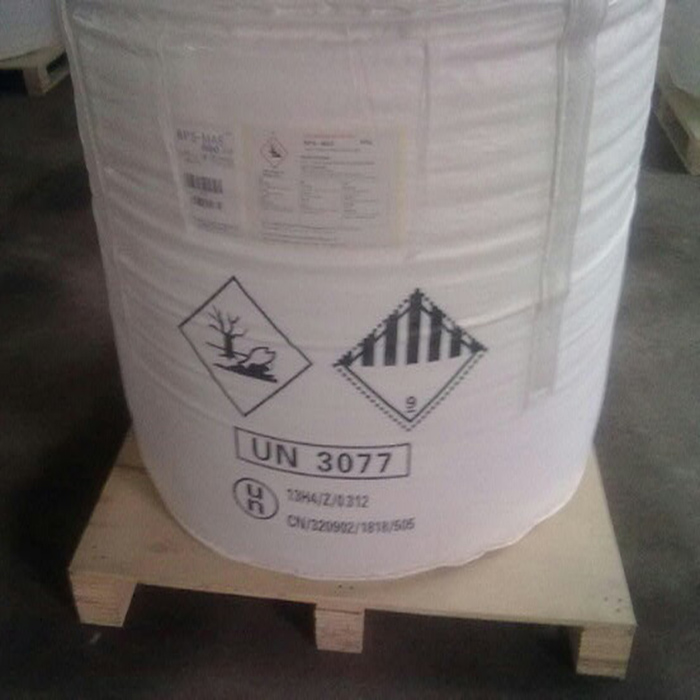
1,4-Dichlorobenzene, commonly known as p-dichlorobenzene (PDCB, CAS No. 106-46-7), is an organic synthetic intermediate belonging to the halogenated aromatic hydrocarbon family. As a foundational raw material in the fine chemical and polymer materials industries, 1,4-dichlorobenzene plays an indispensable role in Polyphenylene Sulfide (PPS) engineering plastic synthesis, agrochemical and pharmaceutical intermediates, industrial mothproofing agents, and specialized organic solvents due to its highly symmetric molecular structure and thermal stability.
To help industrial users and trade partners better understand its physicochemical properties, production methods, quality standards, and operational safety, here is a structured FAQ guide:
Q1: What are the fundamental physicochemical parameters of 1,4-dichlorobenzene? What are the key features of its molecular structure?
A:
Basic Information: CAS No. 106-46-7, Molecular Weight: 147.00, Relative Density: approximately 1.25 g/cm³ (at 50 °C), Melting Point: 52.5–53.5 °C, Boiling Point: 174 °C, Flash Point: approximately 66 °C.
Physical Appearance: At ambient temperature, it presents as a white crystalline solid with a distinct aromatic odor. It is practically insoluble in water and readily soluble in organic solvents such as ethanol, ether, benzene, and chloroform.
Structural & Reaction Features: The para-substituted chlorine atoms on the benzene ring impart high molecular symmetry and thermal-chemical stability. Under catalytic conditions, it undergoes electrophilic substitution, nucleophilic substitution, and polycondensation, serving as a key starting material for high-performance polymers and multifunctional aromatic compounds.
Q2: What is the primary industrial production process for 1,4-dichlorobenzene?
A: Industrial preparation of 1,4-dichlorobenzene relies primarily on direct catalytic chlorination of benzene followed by fine separation and purification:
Process Flow: Benzene serves as the starting raw material and undergoes directional chlorination with chlorine gas in the presence of catalysts such as anhydrous ferric chloride ($\text{FeCl}_3$) to form a mixture of chlorobenzene, 1,4-dichlorobenzene, 1,2-dichlorobenzene, and minor amounts of 1,3-dichlorobenzene.
Separation & Purification: Leveraging the melting point difference between 1,4-dichlorobenzene (melting point ~53 °C) and 1,2-dichlorobenzene (melting point ~-17 °C), the reaction mixture undergoes light-component removal via distillation followed by crystallization (melt crystallization or solvent crystallization) combined with continuous fractional distillation to yield high-purity crystals with an assay content reaching 99.8% or higher.
Process Features: This route is mature with high co-product utilization. Controlling the crystallization process is the core stage determining product purity and crystal grain size.
Q3: What are the primary industrial applications of 1,4-dichlorobenzene?
A: As a core organic synthetic intermediate, 1,4-dichlorobenzene is widely applied across key industrial sectors:
High-Performance Engineering Plastics (PPS Synthesis): Functions as the essential monomer raw material for Polyphenylene Sulfide (PPS) resin. PPS features high-temperature resistance, chemical corrosion resistance, high mechanical strength, and electrical insulation, widely used in automotive lightweight components, electronics, and aerospace applications.
Agrochemical & Pharmaceutical Intermediates: Used to synthesize key intermediates such as 2,5-dichloronitrobenzene and 2,5-dichloroaniline, which are further processed into efficient fungicides, herbicides, dyes, and pigments.
Industrial Mold & Mothproofing Agents: Utilizing its volatility and antimicrobial/mothproofing properties, it is applied in industrial mold prevention, archival preservation, and sanitation mothproofing.
Specialty Solvents & Polymer Modification: Serves as a high-boiling non-polar solvent in select polymer synthesis and extraction processes, or as a modifying additive for specialty resins.
Q4: What quality indicators and testing standards apply to 1,4-dichlorobenzene?
A: According to fine chemical industrial testing standards, quality control focuses on:
Assay (Purity): Polymerization grade and high-purity industrial grade specifications typically mandate a main assay content (Gas Chromatography, GC) of ≥ 99.8% (with stricter requirements for PPS polymerization grade).
Key Quality Parameters:
Isomer Impurities (1,2-Dichlorobenzene & 1,3-Dichlorobenzene): As isomer impurities, total isomer content is typically controlled at ≤ 0.15% or lower to prevent affecting the molecular weight distribution of downstream polymerization.
Moisture (Karl Fischer Method): Controlled at ≤ 0.05%, as elevated moisture affects crystallization morphology and downstream catalytic efficiency.
Appearance & Melting Point: Required to be white flaky or needle-like crystals without visible mechanical impurities, with a melting point stably above 52.5 °C.
Assay Method: Gas Chromatography (GC) is used for quantitative analysis of main assay and isomer impurities, combined with melting point apparatus and Karl Fischer titrators for comprehensive quality verification.
Q5: What are the safety handling, storage, and transport requirements for 1,4-dichlorobenzene?
A: 1,4-Dichlorobenzene is classified as a low-toxicity chemical and an environmental hazard, exhibiting mild irritation to eyes, skin, and the respiratory tract (UN No. 3077, Environmentally Hazardous Substance, Solid).
Personal Protection: Personnel handling 1,4-dichlorobenzene must wear dust/gas masks, chemical safety goggles, chemical-resistant gloves, and protective clothing. Ensure the workplace is equipped with effective local exhaust ventilation to avoid inhaling dust or vapors.
Packaging & Storage: Store in a cool, dry, well-ventilated warehouse maintained below 30 °C. Keep away from heat sources and open flames, and protect from direct sunlight. Woven bags with inner plastic liners or fiber drums are recommended for sealed packaging.
Incompatible Substances & Transport: Do not store or transport together with strong oxidizers, strong acids, or edible chemicals. Protect against moisture, direct sunlight, and package damage during transport, displaying clear "Environmentally Hazardous Substance / Dangerous Goods" labels.

Mobile version


HOME | ABOUT US | PRODUCTS | NEWS | HONORS | FACTORY | CONTACT | 中文版
Copyright(C)2025, Wuxi High Mountain Hi-tech Development Co., Ltd. All Rights Reserved. Supported by Sunsirs ChemNet Toocle Copyright Notice 备案序号:苏ICP备2025195488号