NEWS
High mountain
Zinc Oxide: Crystal Structure, Physicochemical Properties, and Industrial Applications
Time: 2026-09-20
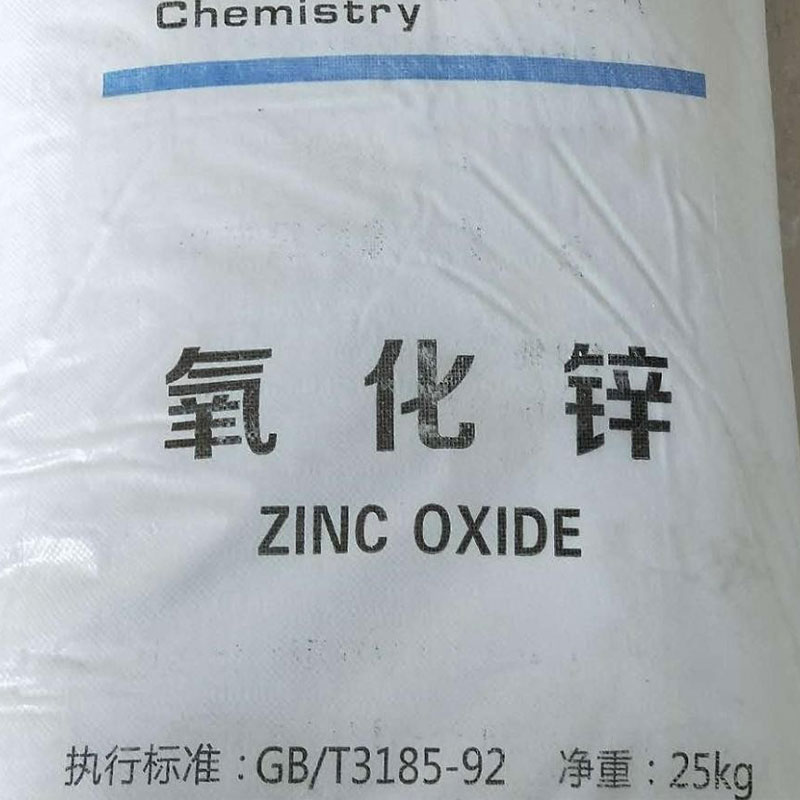
Zinc Oxide (CAS No. 1314-13-2) is a vital inorganic functional material and fine chemical. As a foundational active additive in industrial rubber, polymers, coatings, pigments, electronic ceramics, and biodegradable materials, the performance of zinc oxide depends not only on its chemical purity but also fundamentally on its underlying crystal structure.
Under ambient temperature and pressure, zinc oxide exists in a stable hexagonal wurtzite crystal structure. This unique structural feature imparts high thermal stability, excellent piezoelectric response, wide bandgap semiconductor properties, and strong ultraviolet (UV) absorption capabilities, making it indispensable in rubber vulcanization activation, polymer modification, and anti-aging coatings.
To help industrial clients and trade partners better understand the crystal structure characteristics, primary production processes, quality control metrics, and safety handling procedures of zinc oxide, here is a structured FAQ guide:
Q1: What are the key features of the zinc oxide crystal structure? How do these structural parameters influence its physical properties?
A:
Basic Information: CAS No. 1314-13-2, Molecular Weight: 81.38, Relative Density: approx. 5.60 g/cm³, Melting Point: 1975 °C (sublimation/decomposition). Physical appearance at room temperature is a white or slightly yellowish amorphous powder or wurtzite crystal.
Crystal Structure (Hexagonal Wurtzite): Zinc oxide belongs to the hexagonal crystal system with a wurtzite structure. Zinc and oxygen atoms each form interpenetrating hexagonal close-packed sublattices. Unit cell parameters are a = 3.249 Å, c = 5.206 Å, with a c/a axial ratio of approximately 1.602 (close to the ideal hexagonal close-packing ratio of 1.633).
Structural Influence on Properties:
Strong Dipole Moment & High Thermal Stability: Strong ionic-covalent bonds and broken symmetry along the c-axis confer a significant polarization dipole moment, giving it excellent piezoelectric effects and a thermal limit up to 1975 °C.
Active Reaction Centers: Slight lattice strain and surface defects enhance chemical reactivity on the crystal surface, allowing it to serve as a highly efficient catalytic center in rubber vulcanization systems.
Optical & UV Shielding: With a wide bandgap of 3.37 eV (at 300 K), it effectively absorbs UV-B and UV-C radiation while remaining practically transparent to visible light.
Q2: What are the main industrial production processes for zinc oxide?
A: Industrial preparation of zinc oxide is primarily divided into the Indirect Process (French Process), Direct Process (American Process), and Wet Chemical Precipitation Process:
Indirect Process (High-Purity Indirect Process): Uses high-purity metallic zinc ingots as raw material. The zinc is melted and vaporized at high temperatures, and the zinc vapor reacts with preheated air to form zinc oxide particles. This process yields high purity (typically ≥ 99.7%), complete crystallinity, and uniform particle size distribution, making it the mainstream route for rubber-grade and electronic-grade zinc oxide.
Direct Process: Uses zinc-bearing ores or zinc residues mixed with anthracite coal for reduction and oxidation. The purity is relatively lower and cost is economical, making it suitable for standard industrial rubber and building materials.
Wet Chemical Process: Involves reacting zinc salt solutions with carbonates or alkalis to precipitate precursors, followed by high-temperature calcination to yield nano-scale or active zinc oxide with a large specific surface area and high reactivity.
Q3: What are the core industrial application fields for zinc oxide?
A: Leveraged for its structural activity, zinc oxide is widely used across multiple industrial sectors:
Rubber & Tire Manufacturing (Core Activator): Functions as an activator in rubber vulcanization systems, reacting with stearic acid to form soluble zinc salts, which significantly improves vulcanization efficiency, cross-linking density, and thermal aging resistance of finished products.
Polymer & Film Modification (e.g., PBAT/PVC): Added as a functional filler into polymer melts to enhance mechanical strength, thermal conductivity, and barrier properties, demonstrating exceptional performance in biodegradable plastics (PBAT) and PVC compound systems.
Coatings, Plastics UV Protection & Antimicrobial Defense: Utilizes its wide bandgap absorption properties in outdoor anti-corrosion coatings and transparent plastic products to block UV degradation while providing long-term mold and antimicrobial protection.
Electronic Ceramics & Varistors: Utilizes its piezoelectric and non-linear resistance characteristics as a core substrate for manufacturing ZnO varistors, piezoelectric transducers, and electronic ceramic components.
Q4: What key quality indicators are monitored in quality testing? What are the risks of amorphous impurities?
A: According to fine chemical testing standards and XRD (X-ray Diffraction) quality evaluations, quality control focuses on the following:
Assay (Purity): Industrial and rubber grades typically require a main zinc oxide content of ≥ 99.7% (Indirect Process).
Crystallinity & Lattice Parameters: Measured via XRD analysis to verify crystal completeness. Improper calcination temperatures can result in samples containing 10%–18% amorphous phase structure. Amorphous phases cause sharp increases in rubber/plastic compound viscosity, uneven vulcanization rates, and accelerated material aging.
Specific Surface Area & Particle Size (BET / D50): Active zinc oxide mandates a high specific surface area with D50 particle size tightly controlled within strict ranges (e.g., ≤ 0.3 µm) to ensure uniform dispersion in polymer matrices.
Impurity Limits: Strict limits are enforced for heavy metal impurities such as Lead (Pb), Cadmium (Cd), and Iron (Fe) (typically requiring total heavy metals ≤ 0.005%) to prevent poisoning downstream catalytic reactions.
Q5: What are the safety handling, storage, and transport guidelines for zinc oxide?
A: Zinc oxide itself is a low-toxicity, chemically stable white solid powder, but proper precautions must be taken for dust control and environmental water safety (UN No. 3077, Environmentally Hazardous Substance, Solid).
Personal Protection: Personnel handling zinc oxide must wear dust masks/respirators, chemical safety goggles, protective gloves, and workwear, supported by effective local exhaust ventilation to prevent long-term dust inhalation (avoiding "metal fume fever" symptoms).
Packaging & Storage: Store in a cool, dry, well-ventilated warehouse, away from acids and strong bases. Woven bags with inner plastic liners or composite paper bags are recommended for sealed packaging to prevent moisture caking.
Environmental Protection & Transport: Due to its long-term aquatic toxicity, spills into waterways or drainage systems must be prevented during storage and transport. Protect against moisture and package damage during transit, displaying clear "Environmentally Hazardous Substance" labels.

Mobile version


HOME | ABOUT US | PRODUCTS | NEWS | HONORS | FACTORY | CONTACT | 中文版
Copyright(C)2025, Wuxi High Mountain Hi-tech Development Co., Ltd. All Rights Reserved. Supported by Sunsirs ChemNet Toocle Copyright Notice 备案序号:苏ICP备2025195488号