NEWS
High mountain
Benzoyl Peroxide: Physicochemical Properties, Synthesis Processes, and Industrial Applications
Time: 2026-09-21
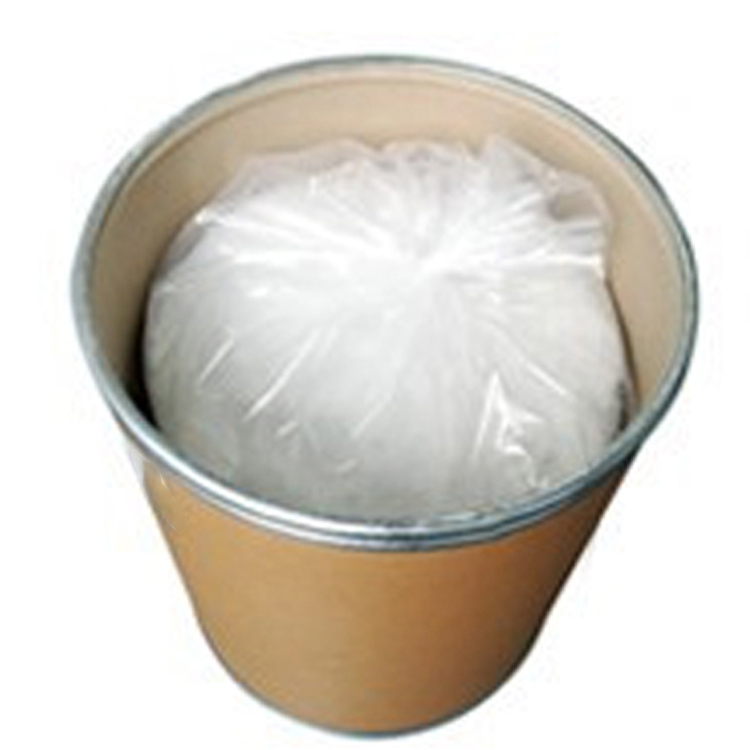
Benzoyl Peroxide (BPO, CAS No. 94-36-0) is a critical organic peroxide and fine chemical intermediate. As a highly efficient free-radical initiator in industrial polymerization reactions, a polymer crosslinking agent, and an oxidizing/bleaching agent for specialty chemicals, benzoyl peroxide plays a pivotal role across resin synthesis, rubber processing, specialty coatings, and construction adhesives.
The benzoyl peroxide molecule features an active peroxide bond (–O–O–). Upon exposure to heat, light, or mechanical friction/impact, this bond readily undergoes homolytic cleavage to generate active benzoyloxy radicals, initiating free-radical polymerization or oxidation reactions.
To help industrial clients and trade partners better understand the physicochemical properties, primary production processes, quality control metrics, and safety handling procedures of benzoyl peroxide, here is a structured FAQ guide:
Q1: What are the fundamental physicochemical parameters of benzoyl peroxide? What are its key structural features?
A:
Basic Information: CAS No. 94-36-0, Molecular Weight: 242.23, Melting Point: 103–105 °C (decomposes). At ambient temperature and pressure, the pure material is a white granular or powdered solid with a slight characteristic odor.
Solubility & Appearance: Insoluble in water and glycerol; slightly soluble in anhydrous ethanol; easily soluble in organic solvents such as acetone, chloroform, ether, benzene, and ethyl acetate.
Structural & Reaction Features: The molecule consists of two benzoyl groups linked by a peroxide bond. Due to the low bond dissociation energy of the peroxide bond, it readily cleaves homolytically at 60–80 °C or under light/reducing agents (such as tertiary amine accelerators) to form benzoyloxy radicals (PhCOO·). These radicals can further undergo decarboxylation to produce phenyl radicals (Ph·), effectively initiating the free-radical polymerization of olefinic monomers.
Q2: What is the primary industrial production process for benzoyl peroxide?
A: Industrial synthesis of benzoyl peroxide primarily employs the alkaline condensation of benzoyl chloride with hydrogen peroxide:
Process Flow: Under low temperatures (0–10 °C) and in the presence of a strong base (such as sodium hydroxide solution), benzoyl chloride is slowly added dropwise to a hydrogen peroxide solution for interfacial condensation. Following reaction completion, the product undergoes filtration, centrifugal separation, and deionized water washing to remove inorganic salt impurities.
Commercial Formulations (Wet & Paste Grades): Because dry benzoyl peroxide is highly sensitive to friction and mechanical shock, 100% pure anhydrous dry BPO is rarely commercialized directly. It is typically supplied as wet BPO containing 25%–30% water, or formulated into 50% pastes/initiators with plasticizers (e.g., dibutyl phthalate), liquid carriers, or inorganic fillers to significantly reduce explosion sensitivity and ensure safe transport and handling.
Q3: What are the primary industrial applications of benzoyl peroxide?
A: As one of the most widely used free-radical initiators in industry, benzoyl peroxide serves key functions across several sectors:
Polymerization Initiator: Extensively used as an initiator in suspension or solution polymerization for polyacrylates, polystyrene (PS), polyvinyl chloride (PVC), and acrylonitrile-butadiene-styrene (ABS) copolymers.
Unsaturated Polyester Resin (UPR) Curing Agent: Combined with tertiary amine accelerators (e.g., dimethylaniline, DMA) to form room-temperature redox curing systems for fiberglass reinforced plastics (FRP), artificial stone, automotive body putty, and structural anchoring adhesives.
Rubber & Silicone Rubber Crosslinking Agent: Applied as a vulcanizing agent for silicone rubber, ethylene propylene diene monomer (EPDM) rubber, and fluoroelastomers, imparting excellent heat resistance and low compression set.
Fine Organic Synthesis: Used as a selective oxidizing agent and initiator for halogenation/addition reactions of alkenes in organic synthesis.
Q4: What quality indicators and testing standards apply to benzoyl peroxide?
A: In accordance with industrial organic peroxide testing standards, quality control focuses on the following key metrics:
Assay (Active Content): Wet industrial-grade BPO is typically specified at ≥ 98.0% content on a dry basis (or converted via Active Oxygen Content, where theoretical active oxygen is approx. 6.61%).
Key Control Parameters:
Water Content: Water-damped grades undergo strict testing for free moisture, with standard specifications maintained at 25.0%–30.0% water to ensure flame-retardant dampening effects.
Free Acidity & Free Chlorine: Free acidity (as benzoic acid) is typically controlled at ≤ 1.5%, and free chlorine at ≤ 0.2%; excessive levels impede downstream resin curing speed and transparency.
Thermal Decomposition & SADT: Self-Accelerating Decomposition Temperature (SADT, typically around 55 °C) is monitored to evaluate storage stability.
Testing Methods: Main assay and active oxygen content are typically measured via iodometric titration, while impurity profiles are analyzed using High-Performance Liquid Chromatography (HPLC).
Q5: What are the safety hazards, storage, and transportation requirements for benzoyl peroxide?
A: Benzoyl peroxide is classified as a Class 5.2 Organic Peroxide (UN No. 3104 / 3108), exhibiting strong oxidizing power and explosive sensitivity. Strict compliance with hazardous chemical regulations is mandatory.
Personal Protection & Handling: Personnel must wear anti-static workwear, chemical-resistant gloves, and safety goggles. Spark-producing tools or metal implements (iron, copper) must never be used to strike or handle the material to prevent friction-induced ignition. Direct mixing with reducing agents, strong acids, strong alkalis, heavy metal compounds, or tertiary amine accelerators must be strictly avoided to prevent violent decomposition or explosion.
Packaging & Storage: Store in dedicated hazardous material warehouses maintained at +5 °C to +30 °C. Keep the environment cool, dry, well-ventilated, and protected from moisture. Use polyethylene plastic bags inside explosion-proof, anti-static drums or plastic containers, maintaining the material in a damped state.
Transport Regulations: Keep away from heat sources, open flames, and direct sunlight during transit. Co-transportation with combustibles, acids, bases, or metal powders is prohibited. Vehicles must be equipped with appropriate fire-extinguishing gear and emergency containment kits.

Mobile version


HOME | ABOUT US | PRODUCTS | NEWS | HONORS | FACTORY | CONTACT | 中文版
Copyright(C)2025, Wuxi High Mountain Hi-tech Development Co., Ltd. All Rights Reserved. Supported by Sunsirs ChemNet Toocle Copyright Notice 备案序号:苏ICP备2025195488号