NEWS
High mountain
Demand in the Driver's Seat: A Volatile 2025 for the Global Oxalic Acid Market and the Road Ahead in 2026
Time: 2026-01-16
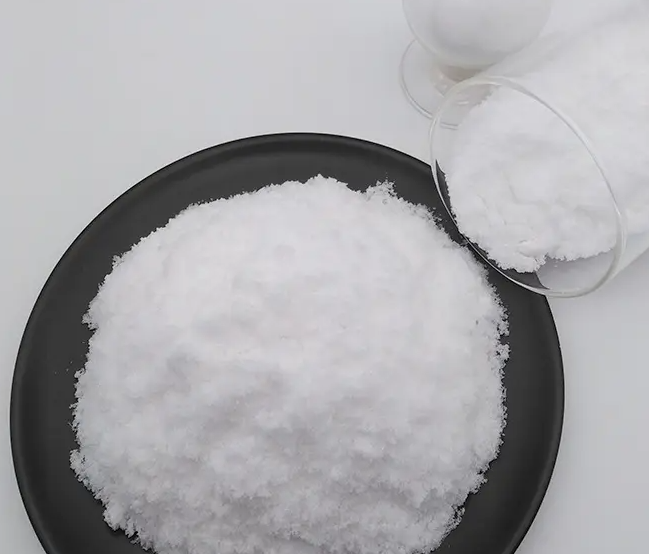
The year 2025 proved to be a period of significant volatility for the oxalic acid market, with price movements largely dictated by shifts in demand dynamics, both domestically and internationally. The market experienced distinct phases of decline and rally, ultimately closing the year with a slight overall increase. As of late December, the domestic Chinese market price stood at approximately RMB 3,300 per ton, a modest increase of about 1.54% from the year's start. However, the annual average price settled around RMB 2,921 per ton, marking a notable decrease from the previous year and highlighting the market's complex, phase-driven nature.
H1 2025: Weak Demand and Sustained Pressure
From January through March, demand was subdued following the Lunar New Year holiday, with downstream industries slow to resume full operations. Compounding this weakness, the persistent closure of key export channels, notably to Myanmar, led to a supply glut, pushing prices lower.
The downward trend accelerated from April through July. New production capacities came online in major producing regions like Shandong and Xinjiang, increasing market supply. Downstream buyers, however, remained cautious, adhering to a hand-to-mouth purchasing strategy, which kept market activity subdued. This period saw a step-like decline in oxalic acid prices, culminating in the year's lowest point in late July.
H2 2025: Export-Driven Swings – A Sharp Rally, Correction, and Recovery
August marked a dramatic turnaround. Anticipated changes in export clearance procedures to Myanmar, coupled with increased rare earth mining activity there, triggered a surge in oxalic acid demand. Fears of potential future border closures led to frantic stockpiling by importers, causing export orders from China to skyrocket. This powerful demand pull fueled a V-shaped recovery, catapulting prices to the annual peak. Chinese producers responded by raising operating rates.
This rally was short-lived. From September to early October, as the concentrated stocking cycle in Myanmar ended and some export routes faced restrictions, overseas demand contracted sharply. Concurrently, high inventory levels built up during the production ramp-up weighed heavily on Chinese manufacturers. Although domestic demand from sectors like pharmaceuticals and, importantly, new energy began to recover, it was insufficient to absorb the excess inventory, leading to a renewed price correction.
A recovery took hold in November. Major production facilities in Inner Mongolia and Xinjiang resumed operations after maintenance, stabilizing supply. In Myanmar, the end of the rainy season normalized rare earth mining, reviving export demand. Furthermore, earlier inventories had been partially drawn down. The continued robust growth of China's domestic new energy industry, particularly lithium battery manufacturing, provided additional demand support. These factors combined to push market prices upward again, ending the year on a stable-to-firm note.
Trade Dynamics: China Consolidates its Position as Net Exporter
Data from January to October 2025 reaffirms China's role as the leading global producer and net exporter of oxalic acid. While export volumes saw some adjustment compared to the previous year, they remained substantial. Import volumes stayed minimal. Global market conditions influenced the pace of export growth.
2026 Outlook: Balancing Supply Growth with Evolving Demand
Looking ahead to 2026, the oxalic acid market is expected to remain dynamic, with frequent price fluctuations. The annual average price is forecast to move within a range of RMB 100-200 per ton.
Supply Side: New capacity is anticipated, including recently added facilities in Xinjiang and planned expansions in Inner Mongolia. This is expected to increase overall supply, presenting a potential bearish factor.
Demand Side: Demand will continue to be the primary market driver. Consumption from rare earth mining, the new energy sector (a key growth area), pharmaceuticals, and fine chemicals will exhibit cyclical patterns. Fluctuations in export orders will remain a significant price influencer. In the current economic climate, downstream procurement is likely to stay need-based.
Synthesis: Despite expected supply increases, the vigorous expansion of the new energy industry offers a promising and sustained source of demand growth. Stable export markets would provide a floor for prices. Overall, the oxalic acid market in 2026 is projected to exhibit a stable-to-strong trend, with prices likely oscillating between RMB 2,900 and RMB 3,400 per ton.
Wuxi High Mountain Hi-tech Development Co.,Ltd. emains committed to monitoring the evolving dynamics of the oxalic acid and related chemical markets. Leveraging our robust supply chain management and market analysis expertise, we provide our global partners with reliable product supply and professional market insights, helping them navigate market uncertainties and seize opportunities.

Mobile version


HOME | ABOUT US | PRODUCTS | NEWS | HONORS | FACTORY | CONTACT | 中文版
Copyright(C)2025, Wuxi High Mountain Hi-tech Development Co., Ltd. All Rights Reserved. Supported by Sunsirs ChemNet Toocle Copyright Notice 备案序号:苏ICP备2025195488号