
Comprehensive Analysis of the PVC Industry Chain: Cost Dynamics, Chlor-Alkali Balance, and Global Trade Shifts
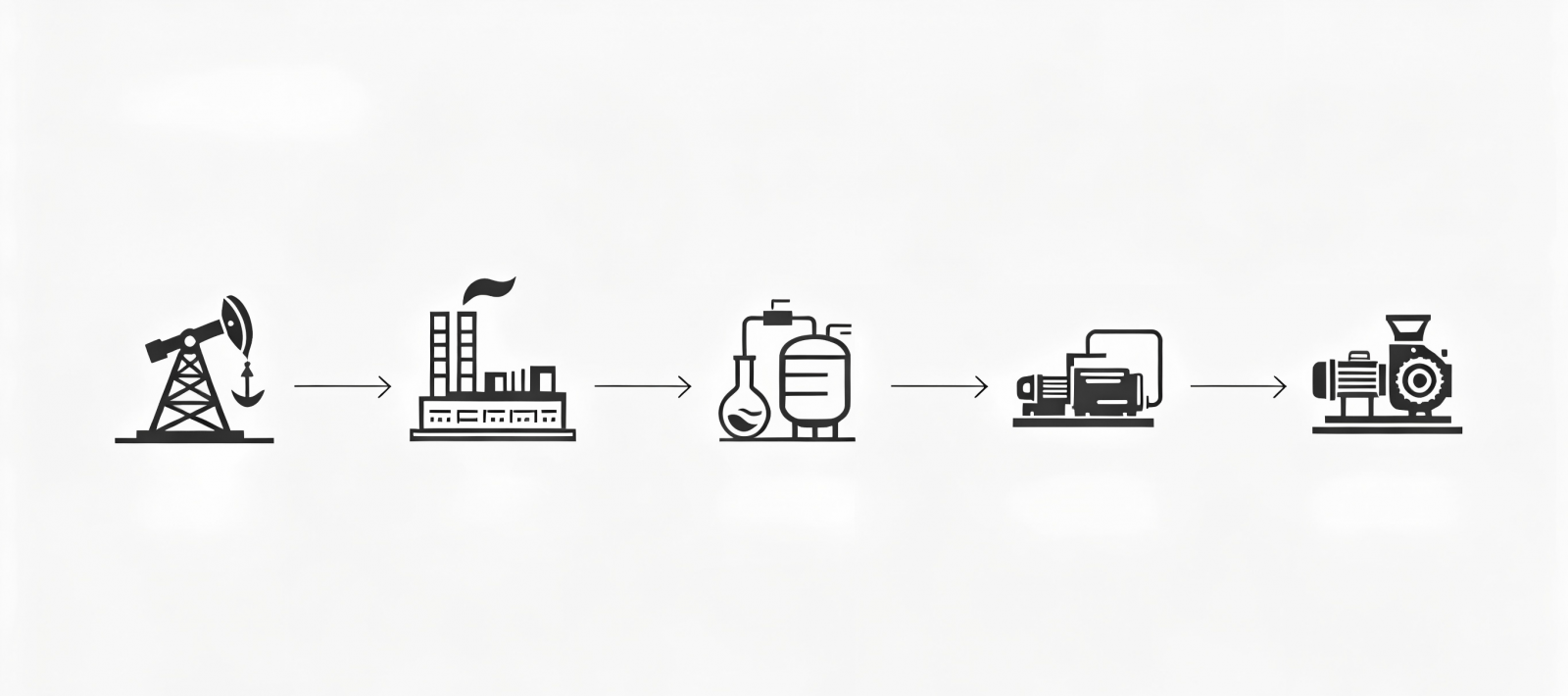
1. The Essential Value of Polyvinyl Chloride (PVC)
Polyvinyl Chloride (PVC) stands as one of the world’s three major synthetic resins, serving as a foundational material in modern industry and daily life. Known for its chemical stability, excellent electrical insulation, and superior formability, PVC is indispensable across numerous sectors.
Its applications span from consumer goods like packaging films and cable sheathing to large-scale infrastructure components such as pipes and window profiles. As a professional service provider in the chlor-alkali trade, Wuxi High Mountain Hi-tech Development Co., Ltd. provides this in-depth breakdown of the PVC industry chain and its underlying market logic.
2. Supply Structure: Dual Production Processes
The production of PVC in China is primarily divided into two processes, each driven by different raw material sources and cost factors:
-
Calcium Carbide Process: Utilizing limestone, coal, and salt, its cost is closely linked to coal and electricity prices. This remains a significant production method in China due to regional resource availability.
-
Ethylene Process: Based on oil or naphtha, its cost trends correlate with crude oil prices. This process also co-produces caustic soda and is often recognized for its efficiency in environmental management and product purity.
3. The Mechanism of Chlor-Alkali Balance
PVC is the most critical chlorine-consuming product in the chlor-alkali industry (accounting for approximately 46% of liquid chlorine demand in 2025). This characteristic creates a strong coupling between PVC supply and caustic soda production, leading to a unique "Chlor-Alkali Balance":
-
Caustic-Driven Support: When caustic soda prices are strong, enterprises maintain high operating rates to secure supply. During such periods, the byproduct—liquid chlorine—is often managed at lower costs, which can benefit the raw material sourcing for PVC.
-
Chlorine-Driven Support: Conversely, when demand for liquid chlorine (and subsequently PVC) is high, the resulting surplus of caustic soda may lead to a downward trend in caustic prices.
-
Industry Correlation: Historically, prices for caustic soda and liquid chlorine often show an inverse correlation, while the operating rates of PVC and the caustic soda industry tend to move in the same direction.
4. Pricing and Profitability: Navigating the Market Cycle
Since 2022, the domestic PVC market has undergone a period of structural adjustment.
-
Price Trends: After a multi-year adjustment, PVC prices are currently positioned within a historical baseline range. While this provides a lower raw material cost for downstream manufacturers, it also presents challenges for the production sector.
-
Profitability: Under pressure from both raw material costs and final product pricing, the profit margins of integrated chlor-alkali enterprises have faced compression. The industry is currently in a phase of optimization and efficiency enhancement.
5. Demand Divergence: Resilience in Soft Products
Downstream consumption of PVC shows distinct performance variations across different segments:
-
Rigid Products (Approx. 60% of demand): Including pipes, profiles, and sheets. Influenced by global construction and real estate cycles, demand in this sector has remained stable but faces some headwinds, with operating rates staying at measured levels.
-
Soft Products (Approx. 25% of demand): Including films and cable materials. This segment has shown notable resilience. In 2025 and early 2026, operating rates for films were significantly higher than those for rigid products, supported by demand in packaging, agriculture, and export-oriented goods.
6. Global Trade: Strengthening Export Competitiveness
In the international market, Chinese PVC continues to demonstrate competitive advantages:
-
Growth in Export Volume: Export volumes remained high throughout 2025 and into early 2026. In particular, the share of exports to emerging markets like India has increased rapidly, serving as a vital channel for supply distribution.
-
Competitive Pricing: The current price positioning has further strengthened the value proposition of Chinese PVC in global markets.
-
Market Potential: With robust infrastructure development in countries like India and a gap in local production capacity, the demand for imports is expected to continue supporting the flow of Chinese PVC.
7. HM Perspective: Building a Resilient Future
At Wuxi High Mountain, we believe the PVC industry is transitioning from a phase of scale expansion to one of professional and compliant operations.
Through meticulous market analysis and an efficient logistics network, we remain dedicated to the PVC Paste Resin and General Purpose Resin sectors. Our goal is to provide transparent and stable supply chain solutions to our global partners, ensuring reliability even through shifting market cycles.