
Zinc Oxide (ZnO): Physicochemical Properties, Production Processes, and Safety Applications
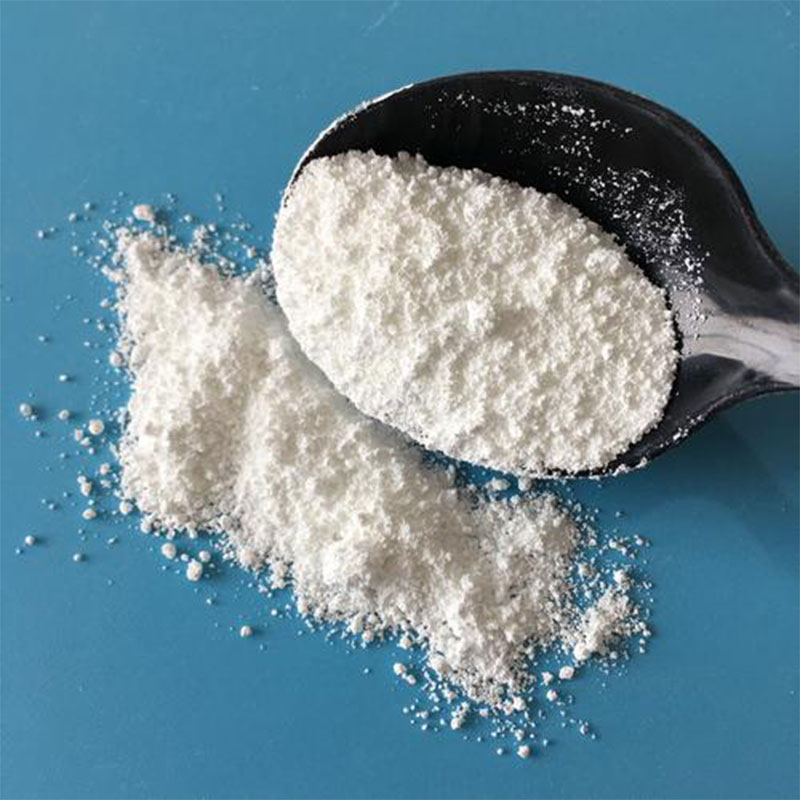
Zinc Oxide is an inorganic oxide of zinc, represented by the chemical formula ZnO. It is a multi-functional basic inorganic chemical. Known for its strong vulcanization activation, reinforcement performance, UV blocking capability, and antibacterial properties, zinc oxide plays an important role in rubber vulcanization, ceramics, glass, coatings, plastics, pharmaceuticals, cosmetics, and electronics/semiconductors.
To help industrial users and trade partners better understand its physicochemical properties, production methods, quality standards, and operational safety, here is a structured FAQ guide:
Frequently Asked Questions (FAQ)
Q1: What are the fundamental physicochemical parameters of zinc oxide? How does it behave chemically?
A:
-
Basic Information: CAS No. 1314-13-2, Molecular Weight: 81.38, Relative Density: 5.606, Melting Point: 1975 ℃ (sublimes at elevated temperatures).
-
Physical Appearance: At ambient conditions, it presents as a fine white or slightly yellowish powder without grit.
-
Solubility & Amphoterism: Insoluble in water and ethanol; readily soluble in dilute acids, concentrated alkaline solutions, aqueous ammonia, and ammonium salt solutions. Zinc oxide is a classic amphoteric oxide.
Q2: What are the main industrial production processes for zinc oxide, and what are their features?
A: Industrial preparation of zinc oxide falls mainly into indirect, direct, and wet chemical methods:
-
Indirect Process (French Process): Utilizes refined zinc metal ingots (purity typically not less than 99.97%) as raw material, which are vaporized at high temperatures and reacted with air. The product features high purity (ZnO content typically above 99.5% – 99.7%) and extremely low heavy metal impurities (such as lead and cadmium), widely used in high-grade rubber, varistors, pharmaceuticals, and cosmetics.
-
Direct Process (American Process): Uses zinc ores or zinc-bearing secondary materials mixed with carbonaceous reducing agents, which are sintered, vaporized, and oxidized. The final product has a lower purity (ZnO content generally ranges between 95% – 99%) at a lower production cost, suitable for standard rubber, ceramic glazes, and cable jacketing.
-
Wet Chemical Process: Reacts zinc-bearing materials with acid or alkali to produce soluble zinc salts, followed by purification and precipitation into zinc carbonate or zinc hydroxide, which is then calcined to yield active or nano-zinc oxide.
Q3: What are the primary industrial applications of zinc oxide?
A: As a fundamental inorganic chemical raw material, zinc oxide serves key functions across multiple sectors:
-
Rubber Industry: Used as a vulcanization activator, reinforcing agent, and white colorant, significantly enhancing cross-linking density, wear resistance, and tear strength of rubber products.
-
Ceramics & Glass: Serves as a flux, glaze opacifier, and expansion coefficient regulator, improving glaze smoothness and craze resistance in ceramics.
-
Coatings & Plastics: Functions as an anticorrosive colorant, mildew inhibitor, and UV stabilizer, extending the service life of outdoor coatings.
-
Pharmaceuticals & Cosmetics: Used as an astringent, skin protectant, and core active ingredient in physical sunscreens, offering broad-spectrum protection against UVA and UVB rays.
-
Electronics & Magnetic Materials: Used in manufacturing varistors, surge arresters, magnetic ferrites, and sensor devices.
Q4: What quality indicators and testing standards apply to zinc oxide?
A: According to industrial and pharmaceutical standard specifications, quality requirements include:
-
Assay: Based on standard requirements (such as industrial Indirect Process GB/T 3185-2016 or pharmacopeia standards), ZnO content calculated on an ignited basis should be 99.0% – 99.7% or higher.
-
Key Quality Parameters:
-
Sieve Residue & Alkalinity: The 45 μm (325 mesh) wet sieve residue is typically required to be ≤ 0.1% – 0.02%; water-soluble matter and free alkalinity must comply with respective grade limits.
-
Impurity Limits: Strict control is applied to heavy metal impurities such as lead (Pb), cadmium (Cd), arsenic (As), and copper (Cu). Pharmaceutical-grade zinc oxide typically requires heavy metals to not exceed 20 ppm.
-
-
Assay Method: Measured via complexometric titration using disodium ethylenediaminetetraacetate (EDTA) titrant to determine the percentage content of ZnO in the test sample.
Q5: What are the safety handling and emergency response requirements for zinc oxide?
A: While zinc oxide itself is non-toxic and non-flammable, industrial safety and environmental protection rules must be observed.
-
Protective Equipment: Personnel handling zinc oxide dust should wear protective gear, including work clothing, dust masks, safety goggles, and gloves, to avoid prolonged inhalation of high-density dust.
-
Environmental Safety & Emergency: Zinc oxide presents toxicity to aquatic life. Industrial handling and waste disposal must prevent dust dispersion and avoid direct discharge of wastewater into natural water bodies. In case of spills, collect dry sweepings in sealed containers for recovery.
-
Storage & Transport: Store in a cool, dry, well-ventilated warehouse, sealed against moisture and kept separate from acidic substances. Ensure containers remain intact with clear hazard labeling.