
Formic Acid (HCOOH): Physicochemical Properties, Production Processes, and Safety Applications
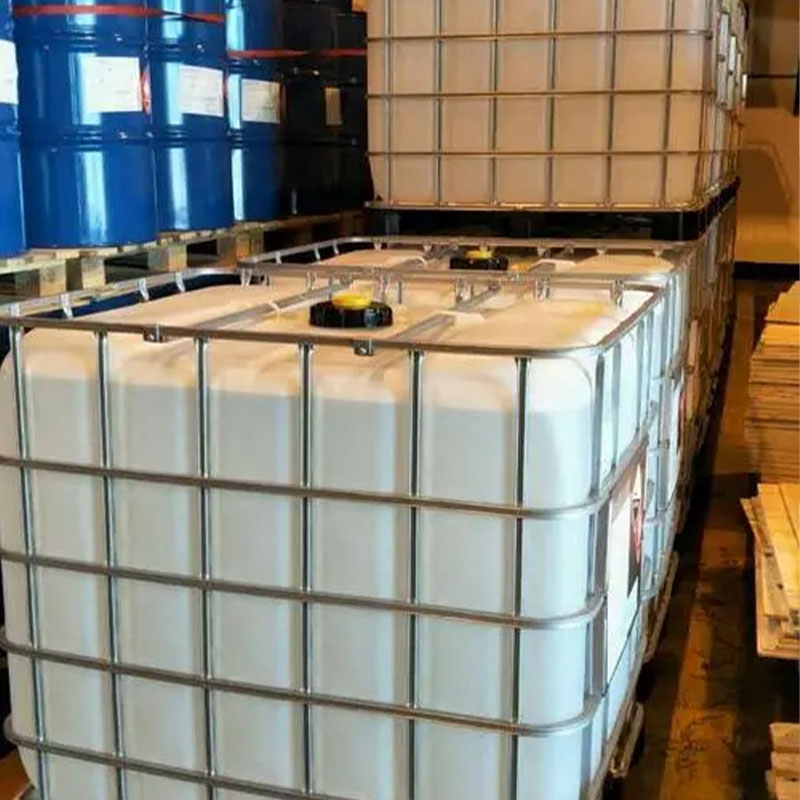
Formic Acid is the simplest carboxylic acid, represented by the chemical formula HCOOH (CAS No. 64-18-6). Recognized for its strong acidity (pKa = 3.75), reducing properties, and relatively low toxicity compared to inorganic acids, formic acid plays an important role in silage preservation, pharmaceutical and pesticide synthesis, rubber processing, catalyst regeneration, and electroplating.
To help industrial users and trade partners better understand its physicochemical properties, production methods, quality standards, and operational safety, here is a structured FAQ guide:
Frequently Asked Questions (FAQ)
Q1: What are the fundamental physicochemical parameters of formic acid? What storage temperature and material requirements should be observed?
A:
-
Basic Information: CAS No. 64-18-6, Molecular Weight: 46.03, Density at 20 ℃: 1.215–1.220 g/cm³. At room temperature, it presents as a clear, colorless liquid miscible with water and most organic solvents.
-
Storage Temperature Limits: Recommended storage temperatures range between 15 ℃ and 25 ℃. At ambient temperatures reaching or exceeding 35 ℃, formic acid undergoes spontaneous decomposition, releasing carbon monoxide (CO) and water (H₂O), which increases container pressure and reduces concentration.
-
Material Compatibility: Formic acid is corrosive; standard metal containers or unlined stainless steel (such as 316L under prolonged contact) can leach iron impurities into the solution. Polypropylene (PP) or high-density polyethylene (HDPE) containers with anti-static coatings are recommended for storage and transport.
Q2: What are the main industrial production processes for formic acid, and what are their features?
A: Industrial preparation of formic acid primarily relies on the Methyl Formate Hydrolysis Process and the Sodium Formate Process:
-
Methyl Formate Hydrolysis Process (Primary Modern Route): Methanol reacts with carbon monoxide in the presence of a basic catalyst to form methyl formate, which is subsequently hydrolyzed, extracted, and dehydrated to yield high-purity industrial formic acid. This route offers high product purity and strict control over impurities like formaldehyde, making it suitable for continuous large-scale manufacturing.
-
Sodium Formate Process (Traditional Route): Carbon monoxide reacts with sodium hydroxide under elevated pressure and temperature to yield sodium formate, which is then acidified with sulfuric acid and distilled. This process generates substantial sodium sulfate as a byproduct.
Q3: What are the primary industrial applications of formic acid?
A: As a fundamental organic chemical feedstock, formic acid serves key functions across multiple sectors:
-
Silage Preservation: Solutions at 85%–95% concentration are used in forage conservation to suppress Clostridium and Listeria growth, maintaining pH levels below 4.2 and reducing dry matter and protein losses.
-
Metal Formate Synthesis: Used to synthesize zinc formate and calcium formate, which serve as vulcanization accelerators or functional fillers (such as regulating acidity during zinc oxide surface modifications).
-
Catalyst Regeneration & Cleaning: Used in hydrotreating and hydrocracking units to remove sulfide deposits without corroding the metal substrate.
-
Pesticide & Pharmaceutical Intermediates: Functions as a building block for imidazolinone herbicides, alkyl sulfonate surfactants, and various API intermediates.
-
Electroplating & Surface Finishing: Provides a chloride-free acidic environment in nickel plating baths and medical implant surface treatments.
Q4: What quality indicators apply to formic acid, and how can substandard batches be identified?
A: According to standard industrial specifications (such as GB/T 2093 and international standards), quality inspections focus on:
-
Appearance & Density: Must be a clear, colorless liquid free from turbidity. Measured density at 20 ℃ should fall between 1.215 and 1.220 g/cm³. A yellow tint typically indicates oxidative discoloration.
-
Impurity Control: Strict limits apply to free formaldehyde. Substandard low-cost batches may contain formaldehyde levels up to 0.8% (against standard limits of ≤ 0.05%), which causes darkening in reaction mixtures, reduces target product yield, and complicates downstream purification.
-
Assay Methods: High-Performance Liquid Chromatography (HPLC at 210 nm detection wavelength) or acid-base titration is used to verify main assay content and impurity parameters.
Q5: What are the safety handling and emergency response requirements for formic acid?
A: Formic acid vapors are corrosive and irritating to the respiratory tract and skin.
-
Protective Equipment: Personnel must wear corrosion-resistant clothing, nitrile gloves, safety goggles, and work in well-ventilated areas. Diaphragm pumps with ceramic plungers are recommended for liquid transfer to avoid seal swelling common with gear pumps.
-
Spill & Neutralization Procedures: In case of skin contact or minor spills, rinse immediately with abundant water and neutralize with a 5% sodium bicarbonate (NaHCO₃) solution; seek medical attention for severe exposures.
-
Storage & Fire Safety: Store sealed in a cool, well-ventilated warehouse away from oxidizers and strong bases. In case of fire, use water spray, alcohol-resistant foam, or dry chemical extinguishers.