
Phosphoric Acid: Physicochemical Properties, Production Processes, and Industrial Applications
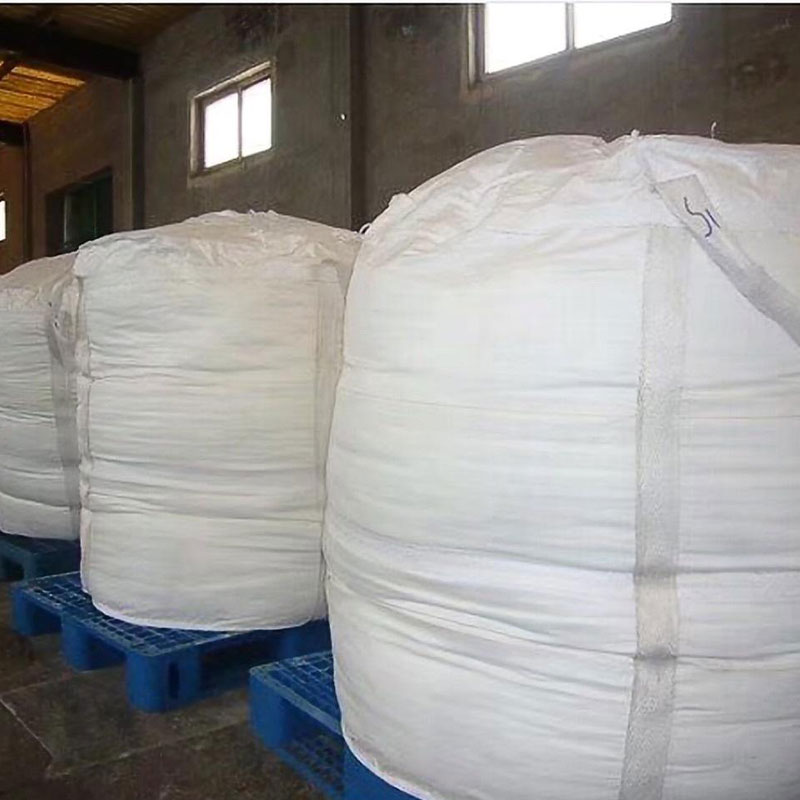
Phosphoric Acid, also known as orthophosphoric acid, is a medium-strong inorganic acid. As a foundational raw material in the inorganic chemical industry, phosphoric acid plays a vital role across agricultural fertilizers, food processing, metal surface treatment, water treatment, and high-tech electronic materials due to its thermal stability, chelating ability, and acid-buffering characteristics.
To help industrial users and trade partners better understand its physicochemical properties, production methods, quality standards, and operational safety, here is a structured FAQ guide:
Frequently Asked Questions (FAQ)
Q1: What are the fundamental physicochemical parameters of phosphoric acid? How does its form vary across concentrations?
A:
-
Basic Information: CAS No. 7664-38-2, Molecular Weight: 98.00. Pure anhydrous phosphoric acid is a colorless orthorhombic crystal with a melting point of approximately 42.35 °C and a relative density of about 1.834 g/cm³ (pure form).
-
Physical Appearance: In industrial applications, it commonly presents as a clear, colorless to slightly yellowish viscous liquid. Standard commercial grades (industrial and food grade) are typically supplied as an 85% aqueous solution (density of approximately 1.685 g/cm³ at 20 °C).
-
Solubility & Hygroscopicity: Phosphoric acid is miscible with water and ethanol and exhibits strong hygroscopic properties, absorbing moisture when exposed to air. Its aqueous solution displays medium-strength acidity and lacks strong oxidizing or reducing properties, making it milder than strong mineral acids like nitric or sulfuric acid.
Q2: What are the primary industrial production processes for phosphoric acid, and what are their features?
A: Industrial production of phosphoric acid relies mainly on the Wet Process and the Thermal Process:
-
Wet Process (Dihydrate/Hemihydrate Process): Phosphate rock powder is decomposed with an inorganic acid (primarily sulfuric acid) to produce crude phosphoric acid and calcium sulfate (phosphogypsum) precipitate, which is filtered and concentrated via evaporation.
-
Features: Offers lower production costs and lower energy consumption, serving as the primary source for manufacturing fertilizers like monoammonium phosphate (MAP) and diammonium phosphate (DAP). Crude wet-process acid contains impurities (such as fluorine, iron, aluminum, and magnesium) and requires solvent extraction and purification to meet industrial or food-grade standards.
-
-
Thermal Process: Phosphate rock, coke, and silica are reduced in an electric furnace at high temperatures to yield yellow phosphorus (elemental phosphorus). The phosphorus is burned and oxidized into phosphorus pentoxide, which is then absorbed by water to form high-purity phosphoric acid.
-
Features: Yields high product purity with low impurity levels, suitable for direct use in industrial, food, and electronic applications, though it incurs higher energy consumption and production costs.
-
Q3: What are the primary industrial applications of phosphoric acid?
A: Phosphoric acid and its salts serve key functions across multiple sectors:
-
Agricultural Fertilizers: Functions as a key feedstock for high-concentration phosphate fertilizers (such as triple superphosphate and potassium dihydrogen phosphate) and compound fertilizers.
-
Food & Beverage Processing: Food-grade phosphoric acid (85%) is used as an acidity regulator, clarifying agent, and yeast nutrient in carbonated beverages, brewing, and food preservation.
-
Metal Surface Treatment: Applied in chemical polishing, rust removal, and phosphatizing, forming a corrosion-resistant phosphate film on metal surfaces to enhance coating adhesion.
-
Refractories & Construction: Phosphoric acid and aluminum dihydrogen phosphate act as high-temperature binders for high-alumina refractory bricks, unshaped refractories, and specialty cements.
-
Water Treatment & Scale Inhibition: Used in water quality stabilizers, industrial boiler descaling, and formulated scale removal agents.
-
Electronics & Advanced Manufacturing: Ultra-pure electronic-grade phosphoric acid is used for wafer cleaning and wet etching processes in semiconductor manufacturing.
Q4: What quality indicators and testing standards apply to phosphoric acid?
A: According to industrial and food-grade standard specifications (such as GB 1886.15-2015 National Food Safety Standard and industrial standard GB/T 2091), quality testing focuses on:
-
Assay: Standard commercial specifications typically mandate an 85.0% assay concentration (or 75.0% depending on grade requirements).
-
Key Quality Parameters:
-
Heavy Metals & Arsenic: Strict limits apply to heavy metals like arsenic and lead. Food-grade phosphoric acid typically requires arsenic content ≤ 3 ppm and lead content ≤ 10 ppm.
-
Fluoride & Chloride: Purified wet-process acid requires monitoring for residual fluorine; high-purity grades feature strict controls on chloride and sulfate ions.
-
-
Assay Method: Volumetric titration (acid-base titration using standard sodium hydroxide solution with phenolphthalein or mixed indicator) is used to verify main assay content.
Q5: What are the safety handling, storage, and transport requirements for phosphoric acid?
A: Phosphoric acid is classified as a corrosive substance (UN No. 1805).
-
Personal Protection: Personnel handling concentrated phosphoric acid must wear protective clothing, rubber gloves, face shields, and safety goggles to prevent skin or eye contact. In case of skin exposure, flush immediately with copious running water for at least 15 minutes; seek immediate medical attention for eye contact.
-
Packaging & Storage: Store in a cool, dry, well-ventilated warehouse away from heat sources and ignition. Plastic drums, lined steel drums, or acid-resistant storage tanks are recommended. Do not store or transport together with strong bases, active metal powders (such as zinc or aluminum, which generate hydrogen gas), or oxidizers.
-
Transport Regulations: Ensure containers remain sealed and undamaged during transport. Vehicles must carry appropriate spill control equipment, and packages must display clear "Corrosive Material" hazard labels.