
Methyl Cyanoacetate: Physicochemical Properties, Applications, and Safe Storage Guidelines
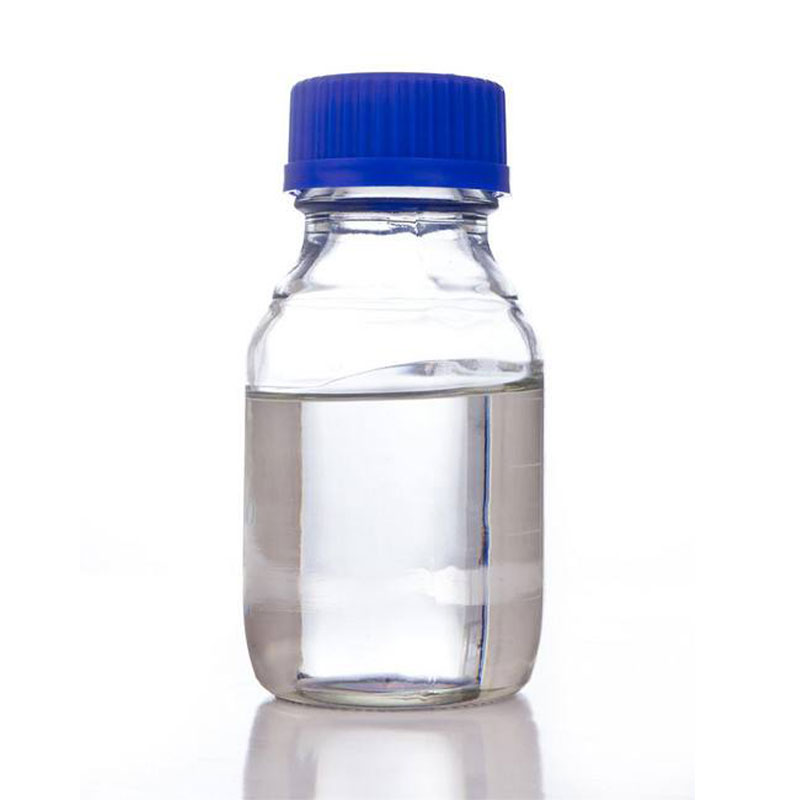
Methyl Cyanoacetate (CAS No. 105-34-0) is an organic synthetic intermediate featuring high reactivity and strong selectivity. As a foundational raw material in the fine chemical industry, methyl cyanoacetate plays a vital role across pharmaceutical intermediates, agrochemicals, specialty coatings, dyes and pigments, and electronic chemicals due to the unique dual functional group response of the cyano and ester groups within its molecular structure.
To help industrial users and trade partners better understand its physicochemical properties, production methods, quality standards, and operational safety, here is a structured FAQ guide:
Frequently Asked Questions (FAQ)
Q1: What are the fundamental physicochemical parameters of methyl cyanoacetate? What are the key features of its molecular structure?
A:
-
Basic Information: CAS No. 105-34-0, Molecular Weight: 99.09, Relative Density: approximately 1.07 g/cm³ (at 20 °C), Boiling Point Range: 185–187 °C, Flash Point: approximately 88 °C.
-
Physical Appearance: At ambient temperature, it presents as a clear, colorless to slightly yellowish liquid. It is slightly soluble in water and miscible with organic solvents such as ethanol, ether, and ethyl acetate.
-
Structural & Reaction Features: The molecule contains both a strongly electron-withdrawing cyano group and an ester group. The methylene group flanked by these two functional groups exhibits active alpha-hydrogen characteristics. This imparts high reactivity in Knoevenagel condensation, alkylation, and cyclization reactions, with lower steric hindrance compared to its ethyl counterpart.
Q2: What is the primary industrial production process for methyl cyanoacetate?
A: Industrial preparation of methyl cyanoacetate relies primarily on the esterification and cyanation of chloroacetic acid (sodium cyanide route):
-
Process Flow: Starting with chloroacetic acid (MCA) as the raw material, esterification with methanol in the presence of an acid catalyst yields methyl chloroacetate. Methyl chloroacetate then undergoes nucleophilic substitution (cyanation) with sodium cyanide or potassium cyanide under mild conditions to generate crude methyl cyanoacetate.
-
Purification & Solidification: The crude liquid undergoes desalting, phase extraction, solvent recovery, and high-vacuum fractional distillation to yield high-purity industrial-grade product with an assay content reaching 99.5% or higher.
-
Process Features: This process route is mature with stable yields, making it suitable for continuous large-scale manufacturing. Fractional distillation is critical to controlling moisture and residual methanol levels.
Q3: What are the primary industrial applications of methyl cyanoacetate?
A: As an organic synthetic intermediate, methyl cyanoacetate serves key functions across multiple high-tech sectors:
-
Pharmaceutical Intermediates: Functions as a core building block for constructing pyridine, pyrimidine, quinoline, and triazole heterocyclic frameworks, widely used to synthesize antiarrhythmic agents, protease inhibitors, and antineoplastic active molecules.
-
Agrochemicals: Used in the synthesis of cyanoacetyl chloride and N-methylcyanoacetamide, which are key intermediates for efficient, low-toxicity heterocyclic herbicides, fungicides, and plant growth regulators.
-
Coatings & Polymer Modification: Serves as a modifying additive for acrylic resins and specialty monomers, enhancing coating adhesion to metallic substrates, weatherability, and UV degradation resistance.
-
Electronic Chemicals: Utilizing its narrow polymerization window and low volatility, it is used in photo-curable formulations and microelectronics encapsulation resins to help reduce dielectric loss and improve thermal cycling stability.
Q4: What quality indicators and testing standards apply to methyl cyanoacetate?
A: According to fine chemical industrial testing standards, quality control focuses on:
-
Assay (Purity): Standard industrial specifications typically mandate a main assay content (determined via Gas Chromatography, GC) of ≥ 99.5%.
-
Key Quality Parameters:
-
Moisture (Karl Fischer Method): Controlled at ≤ 0.10%, as elevated moisture can promote hydrolysis into corrosive cyanoacetic acid.
-
Residual Alcohol (Methanol) & Free Acidity: Residual methanol is kept low, while acidity (calculated as cyanoacetic acid) is typically controlled at ≤ 0.10%.
-
Appearance & Color: Required to be a clear, colorless to slightly yellowish liquid, with a Platinum-Cobalt color rating (APHA) below 30.
-
-
Assay Method: Gas Chromatography (GC) is used for quantitative analysis of the main assay and organic impurities, while moisture is measured via Karl Fischer titration.
Q5: What are the safety handling, storage, and transport requirements for methyl cyanoacetate?
A: Methyl cyanoacetate is classified as a toxic and corrosive liquid (UN No. 3276, Toxic Liquid, Organic).
-
Personal Protection: Personnel handling methyl cyanoacetate must wear dust/gas masks, chemical safety goggles, chemical-resistant gloves, and protective clothing to avoid eye contact, skin contact, or vapor inhalation. In case of skin exposure, flush immediately with copious running water.
-
Packaging & Storage: Store in a cool, dry, well-ventilated warehouse maintained at +5 °C to +25 °C. Keep away from heat sources and open flames, and protect from direct sunlight. High-density polyethylene (HDPE) drums or steel drums with corrosion-resistant inner linings are recommended.
-
Incompatible Substances & Transport: Do not store or transport together with strong bases, strong acids, strong oxidizers, aliphatic amines, or active metal oxides, as these can catalyze self-polymerization or exothermic reactions. Ensure containers remain sealed and undamaged during transport, displaying clear "Toxic" hazard labels.