
Caustic Soda Flakes: Physicochemical Properties, Industrial Preparation, and Wide Applications
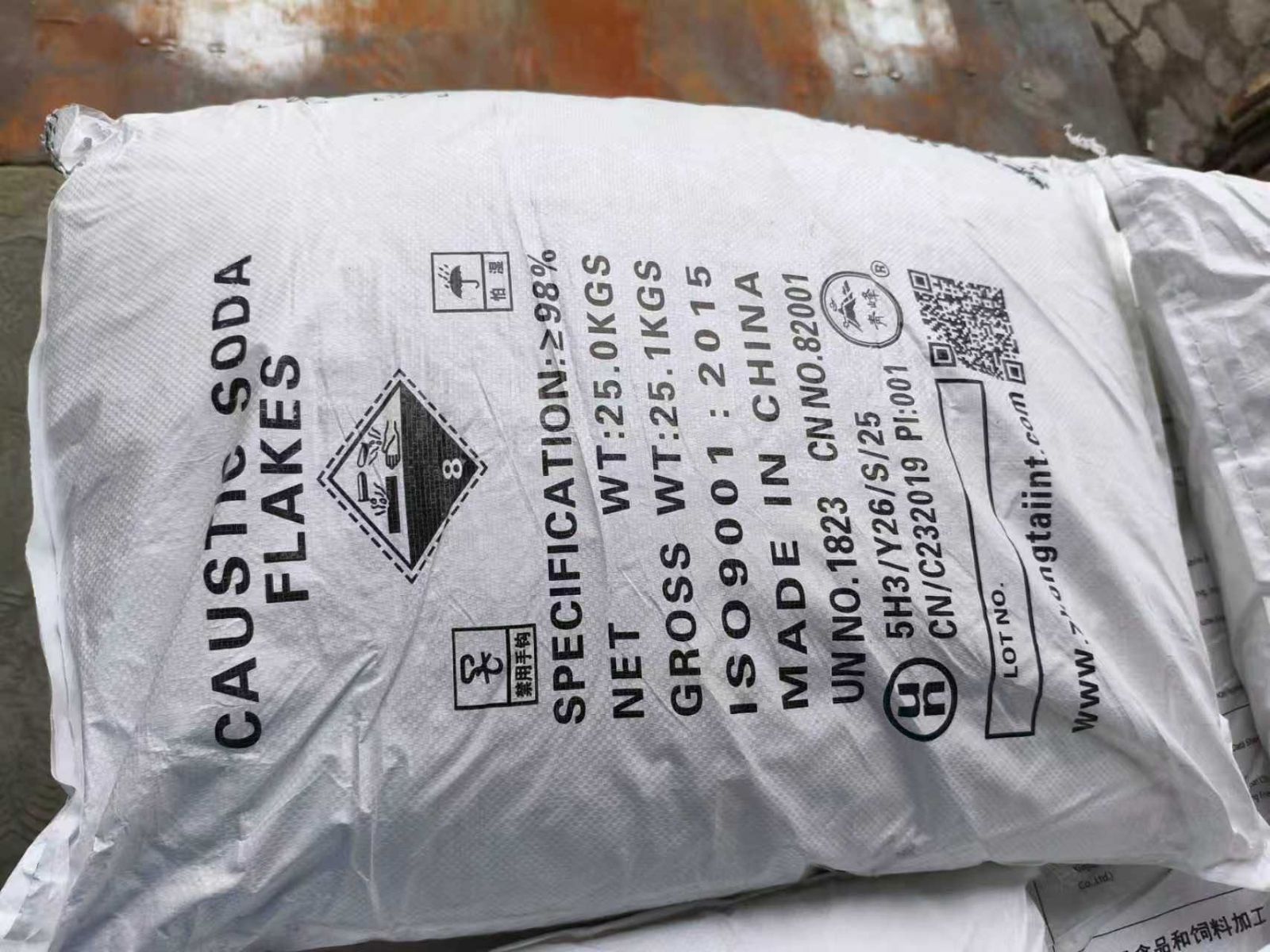
Caustic Soda Flakes, chemically known as Sodium Hydroxide Flakes (NaOH, CAS No. 1310-73-2), represent a fundamental and strong alkaline inorganic chemical commodity. Owing to its high solubility, strong corrosiveness, and exceptional saponification and neutralization capabilities, caustic soda flakes play an indispensable role across petroleum processing, water treatment, papermaking, textile dyeing, metallurgy, and fine chemical synthesis.
To help industrial clients, trading partners, and procurement personnel better understand the physicochemical properties, primary production routes, quality control standards, and safety handling requirements of caustic soda flakes, here is a structured FAQ guide:
Frequently Asked Questions (FAQ)
Q1: What are the fundamental physicochemical parameters of caustic soda flakes? What are its key chemical characteristics?
A:
-
Basic Information: CAS No. 1310-73-2, Molecular Weight: 40.00, Relative Density: 2.13 g/cm³, Melting Point: 318.4 °C, Boiling Point: 1390 °C. At ambient temperature and pressure, the pure product is a white, translucent flake crystalline solid that easily absorbs moisture.
-
Solubility & Thermal Effect: Highly soluble in water, releasing a substantial amount of heat during dissolution (heat of solution is approx. 44.5 kJ/mol); readily soluble in ethanol and glycerol; insoluble in acetone and ether.
-
Chemical Reactivity:
-
Strong Alkalinity & Neutralization: Completely ionizes into OH- ions in water, reacting vigorously in neutralization with various acids and acidic oxides (such as CO2 and SO2).
-
Hygroscopicity & Deliquescence: Deliquesces rapidly upon absorbing water vapor from the air and reacts with carbon dioxide to form sodium carbonate (Na2CO3); hence, strict sealed storage is mandatory.
-
Saponification Reaction: Reacts with fats and oils to undergo saponification, producing glycerol and sodium fatty acid salts (sodium stearate), forming the foundation for soap and detergent manufacturing.
-
Q2: What is the primary industrial production process for caustic soda flakes?
A: Industrially, caustic soda flakes are primarily produced via membrane electrolysis to generate liquid caustic soda, which then undergoes evaporation, concentration, and flaking:
-
Membrane Electrolysis: Purified brine (NaCl solution) is electrolyzed in membrane cells to yield high-purity, lower-concentration liquid caustic soda (approx. 32% NaOH), chlorine gas, and hydrogen gas.
-
Evaporation, Concentration & Flaking:
-
Falling Film Evaporation: The 32% liquid caustic is fed into multi-effect falling film evaporators to concentrate it up to around 50%.
-
Molten Dehydration: Further heating via rising film or molten salt thermal systems elevates the temperature to 350 °C–400 °C for deep dehydration, producing anhydrous molten caustic soda.
-
Flaking: Molten caustic soda is continuously fed onto a rotating flaker drum cooled internally with water. The molten alkali rapidly solidifies and is scraped off by blades into white flakes of uniform thickness.
-
Q3: What are the primary industrial applications of caustic soda flakes?
A: As a core bulk chemical raw material, caustic soda flakes are widely used across multiple sectors:
-
Water Treatment & Environmental Engineering: Applied as a neutralization agent for acidic wastewater (pH regulation), a heavy metal precipitant (forming insoluble hydroxide precipitates), and a resin regenerant.
-
Textiles, Dyeing & Papermaking: Used in the pulp and paper industry for wood cooking to remove lignin; used in textile dyeing for cotton desizing, scouring, mercerizing, and reactive dye fixing.
-
Detergents & Fat Processing: Utilized in the manufacture of hard soaps, industrial detergents, and drain cleaners; used in oil refining for deacidification and alkali refining.
-
Metallurgy & Petroleum Processing: Employed in bauxite processing via the Bayer process to extract alumina; used in petroleum refining to remove hydrogen sulfide and acidic compounds from petroleum fractions.
-
Fine Chemical Synthesis: Used to manufacture sodium formate, oxalic acid, phenol, inorganic salts (such as sodium sulfite and sodium metasilicate), and polymer additives.
Q4: What key quality indicators are monitored in testing? How are product grades categorized?
A: According to national and international standards (e.g., GB/T 209-2018 for industrial sodium hydroxide), quality control focuses on the following:
-
NaOH Assay (Main Content):
-
High-Purity / Premium Grade: Main content ≥ 99.0% (membrane-process flakes typically reach above 99.0%).
-
Qualified Grade: Main content ≥ 96.0% or ≥ 98.0%.
-
-
Key Impurity Limits:
-
Sodium Carbonate (Na2CO3): Typically controlled at ≤ 0.9% – 1.5%. Excessive Na2CO3 indicates moisture absorption/deterioration or incomplete decarbonization, which reduces effective alkalinity in reactions.
-
Sodium Chloride (NaCl): Premium grades require ≤ 0.15%; higher levels impair purity in downstream fine chemical synthesis.
-
Ferric Oxide (Fe2O3): Controlled strictly at ≤ 0.005% (50 ppm). High iron content gives flakes a yellowish tint, adversely affecting brightness in textiles and high-grade paper.
-
Q5: What are the safety handling, storage, and emergency response guidelines for caustic soda flakes?
A: Caustic soda flakes are classified as a Class 8 Hazardous Chemical (Corrosive, UN No. 1823), causing severe chemical burns and damage to skin, eyes, and respiratory tracts.
-
Personal Protection: Personnel must wear dust masks/respirators, chemical safety goggles, acid-and-alkali-resistant rubber gloves, and protective suits. Direct contact with bare hands is strictly prohibited.
-
Packaging & Storage:
-
Packaged in dual-layer moisture-proof packaging (inner polyethylene plastic liner sealed inside outer woven or composite paper bags), typically at 25 kg net weight per bag.
-
Store in a cool, dry, well-ventilated dedicated hazardous materials warehouse, away from sparks and heat sources. Co-storage or co-transportation with acids, combustibles, ammonium salts, and active metals (such as aluminum and zinc, which react to release flammable hydrogen gas) is strictly prohibited.
-
-
Spill & Emergency Response:
-
Skin/Eye Contact: Immediately flush with abundant running water for at least 15 minutes (lift eyelids during eye flushing) and seek prompt medical attention.
-
Spill Cleanup: Wear protective gear, collect spilled material into dry containers using clean plastic shovels, or neutralize carefully with dilute acid solutions before safe disposal. Do not flush directly into drainage systems.
-