
Ethylene-Vinyl Acetate Emulsion (EVA Emulsion): Applications, Physicochemical Properties, and Industrial Selection Guide
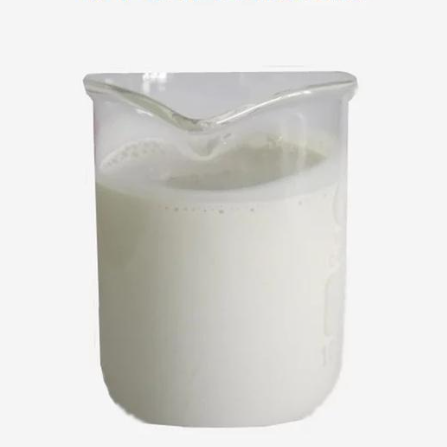
In modern polymer materials, waterborne adhesives, and construction chemicals, Ethylene-Vinyl Acetate Emulsion (EVA Emulsion, CAS No.: 24937-78-8) serves as a versatile waterborne polymer dispersion combining strong adhesion, flexibility, and water resistance. Functioning as a technical bridge between environmental safety and high-performance adhesion, EVA emulsions play a critical role across packaging, construction modification, non-woven textiles, and flexible film lamination.
In industrial manufacturing, different applications impose strict demands on colloidal stability, glass transition temperature (Tg), water resistance, and heat stability. Minor variations in vinyl acetate (VA) content or particle size distribution can significantly impact coating line performance and final bond strength.
As a specialized global supplier of quality chemical raw materials, Wuxi High Mountain Hi-Tech Development Co., Ltd. provides an in-depth technical analysis of EVA emulsion properties, key industrial application sectors, and selection criteria based on years of supply chain expertise and rigorous quality control.
I. Physicochemical Properties: VA Content and Colloidal Stability
EVA emulsions are waterborne dispersions copolymerized from ethylene and vinyl acetate monomers under emulsifiers and initiators. Material performance is primarily governed by the vinyl acetate (VA) ratio and colloidal parameters:
-
VA Content & Film Characteristics:
-
Low VA Content (15%–20%): Produces rigid, highly water-resistant films suited for wood processing applications (e.g., particleboard and MDF adhesives) where moisture resistance is essential.
-
Medium VA Content (25%–30%): Achieves an optimal balance between adhesion and flexibility. Provides excellent wet-out on hard-to-bond substrates (PE, PP, aluminum foil) and reliable freeze-thaw stability, widely used in packaging adhesives and sealants.
-
High VA Content (35%–40%): Delivers high green tack and a lower glass transition temperature (Tg down to +5 deg C), enabling rapid film formation at lower ambient shop temperatures.
-
-
Physicochemical Stability Metrics:
-
Particle Size: Controlled within a narrow distribution of 120–250 nm.
-
Zeta Potential & Protective Colloids: Zeta potential maintained at <= -35 mV, combined with protective colloids like polyvinyl alcohol (PVA) or hydroxyethyl cellulose (HEC) to prevent coagulation when compounding with inorganic fillers such as calcium carbonate and kaolin.
-
II. Core Industrial Application Sectors and Usage Limits
Due to zero organic solvents (low VOC), rapid drying, and flexible film formation, EVA emulsions are widely deployed across major sectors:
-
Flexible Packaging & Paper Converting: Applied in laminating aluminum foil to PET films, as well as water-resistant bonding for paperboards and corrugated cartons.
-
Construction & Cementitious Modification: Functions as a polymer modifier for cement mortars and grouts, reducing dry shrinkage cracking while improving impact toughness and substrate adhesion.
-
Textiles & Non-Woven Bonding: Serves as a binder for spunbond non-wovens and filtration media, imparting balanced hand-feel and wash durability.
Usage Limits: EVA emulsions should not be exposed to continuous temperatures exceeding +70 deg C; direct blending with strongly alkaline systems (pH > 10) is not recommended; due to microporous film structures, they are unsuitable for applications requiring absolute gas/vapor barriers.
III. Three Core Criteria for Industrial Selection
When evaluating EVA emulsions for specific production lines, technical teams should focus on three primary dimensions:
-
Application Temperature & Humidity: Under cold or humid plant conditions (e.g., +10 deg C, RH 85%), select grades with a Tg <= +8 deg C and accelerated film formation rates.
-
Substrate Surface Properties: Untreated polyethylene (PE) substrates require modified polar emulsion grades, whereas plasma/corona-treated substrates can utilize standard grades.
-
Shelf Life & Preservative Systems: Formulations requiring long-term storage (exceeding 3 months) must incorporate compliant, high-efficiency in-can biocide systems.
IV. Wuxi High Mountain: High-Purity Supply & Technical Support
Wuxi High Mountain Hi-Tech Development Co., Ltd. supplies high-purity EVA emulsions with glass transition temperatures (Tg) ranging from +3 deg C to +15 deg C, precise particle size control, excellent thermal stability, and broad filler compatibility.
Every batch is accompanied by a complete Certificate of Analysis (COA), GHS-compliant Safety Data Sheets (SDS/MSDS), and Technical Data Sheets (TDS) to ensure continuous and stable production line performance.
-
Official Website:
www.wxhmchem.com -
Russian Market Platform:
www.highmountainchemru.com -
Business Contact: Mr. Fan (+86-13382223993)
-
Office Line: +86-510-85881876
-
E-mail: sales1@wxhmchem.com / Harold2@high-mountain.cn